
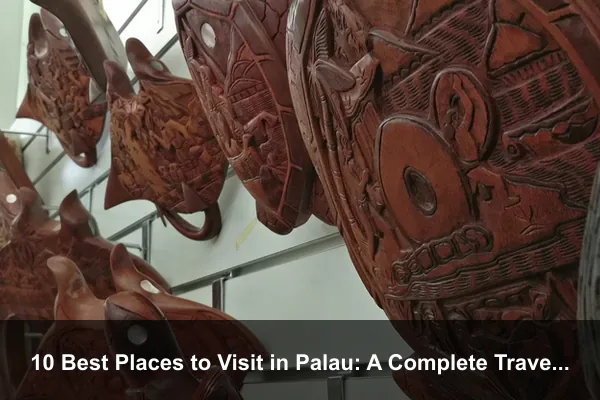
Palau rewards travelers who plan by ecosystems, not just by map pins. This guide is designed as a practical route through reef channels, marine lakes, rainforest interiors, and cultural landmarks so you can balance world-class water days with meaningful land experiences.
Because access in Palau depends on weather, permits, and conservation rules, each section prioritizes timing and logistics first. Use this plan alongside official updates from Palau Government, UNESCO’s Rock Islands Southern Lagoon listing, and the Jellyfish Lake conditions page before final booking.
Rock Islands Southern Lagoon
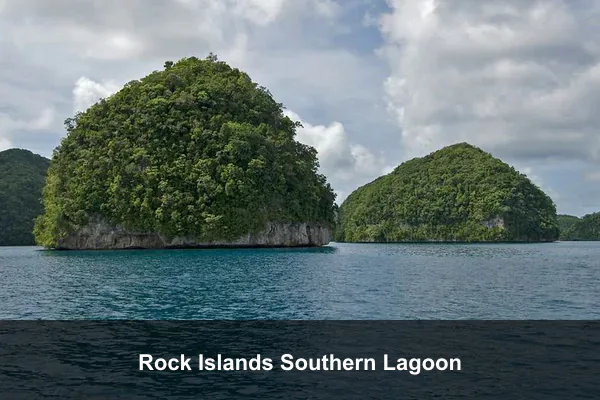
Rock Islands Southern Lagoon is the must-see centerpiece of Palau, a UNESCO-listed seascape of jungle-topped limestone islands, hidden coves, and bright turquoise channels south of Koror in Koror State. It is ideal for first-time visitors because you can experience Palau’s signature scenery in one day through kayaking and island-hopping between quiet beaches and dramatic karst formations. For the smoothest conditions, plan your trip from November to April when seas are generally calmer. Access is by licensed boat tours departing from Koror or Malakal, and leaving early is worth it to enjoy the lagoons before peak tour-boat traffic builds.
| Best for | First-time visitors, kayaking, island-hopping |
|---|---|
| Location | South of Koror in Koror State |
| Best time | November to April for calmer seas |
| Access | Licensed boat tours from Koror/Malakal |
Additional Info: Start early to see the lagoons before peak tour-boat traffic.
Jellyfish Lake (Ongeim’l Tketau)
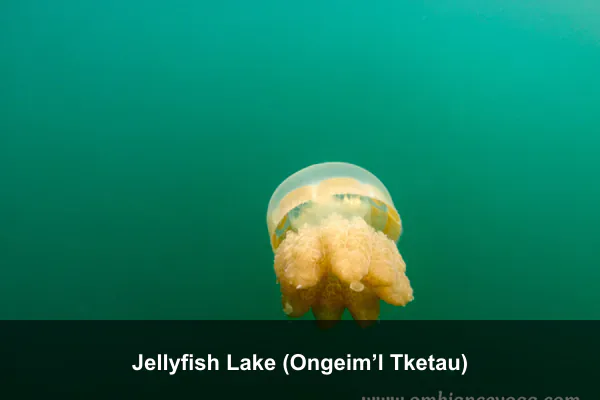
Jellyfish Lake (Ongeim’l Tketau) on Eil Malk Island in Palau’s Rock Islands is best for snorkeling with golden jellyfish, offering a rare chance to drift among thousands of gentle, shimmering creatures in clear, enclosed water. Visit on calm mornings, generally from November to April, when surface conditions and visibility are usually best. Access involves a boat ride followed by a short hike to the lake, and a permit is required before entry. Once in the water, move slowly, stay near the surface, and follow your guide’s depth limits to protect both your safety and this fragile marine ecosystem.
| Best for | Snorkeling with golden jellyfish |
|---|---|
| Location | Eil Malk Island, Rock Islands |
| Best time | Calm mornings, generally Nov-Apr |
| Access | Boat ride plus short hike; permit required |
Additional Info: Stay near the surface and follow guide depth limits for safety.
Blue Corner

Blue Corner, on the outer reef near Ngemelis Island, is Palau’s signature site for advanced scuba drift diving, where strong currents draw in reef sharks, huge schools of jacks and barracuda, and nonstop pelagic action. Visit for the adrenaline and clear water, especially from December to May, when visibility is typically strongest. Divers often hook in at the lip to watch the fish traffic, then release into a fast drift along the wall, so solid buoyancy and current skills are essential. Access is by boat-only guided dives from Koror, and you should confirm current direction before departure because conditions define the day’s exact dive profile.
| Best for | Advanced scuba drift diving |
|---|---|
| Location | Outer reef near Ngemelis Island |
| Best time | December to May for strong visibility |
| Access | Boat-only guided dive from Koror |
Additional Info: Confirm current direction before departure, as conditions define the dive profile.
German Channel

German Channel, a famous passage through Palau’s barrier reef south of Koror, is one of the best places for manta sightings and underwater photography. Most visitors arrive on a dive boat excursion from Koror to drift along coral walls and sandy cleaning stations where reef mantas glide in close range; in suitable conditions, snorkelers can also watch from the surface. December to April usually brings the clearest water and most dependable conditions. For higher-quality manta encounters, stay calm and keep still at cleaning stations instead of chasing the animals, so they remain relaxed and continue circling naturally.
| Best for | Manta sightings and underwater photography |
|---|---|
| Location | Barrier reef channel south of Koror |
| Best time | December to April |
| Access | Dive boat excursion from Koror |
Additional Info: Keep still at cleaning stations to improve manta encounter quality.
Ulong Channel and Ulong Island
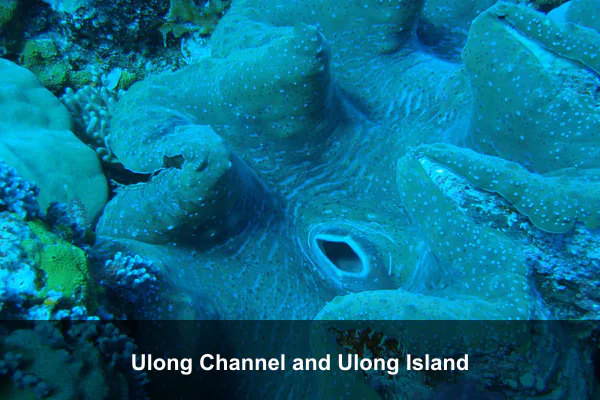
Ulong Channel and Ulong Island combine one of Palau’s most scenic drift dives with an easy beach-and-lagoon escape, making them ideal for travelers seeking drift dives plus island beach breaks in one trip. Located in the Western Rock Islands, the channel offers thrilling current rides over coral and schooling fish, while nearby Ulong’s shoreline is perfect for a relaxed swim, snorkeling, and photo stops between dives. The best season is December to April, though every run is tide-dependent, so timing matters. Access is usually through a full-day speedboat trip with a licensed operator, and it is smart to ask in advance for an itinerary that pairs channel drifts with a slower Ulong shoreline stop.
| Best for | Drift dives plus island beach breaks |
|---|---|
| Location | Western Rock Islands |
| Best time | December to April, tide-dependent |
| Access | Full-day operator trip by speedboat |
Additional Info: Ask operators to pair channel runs with a relaxed Ulong shoreline stop.
Ngardmau Waterfall (Medal a Iechad)
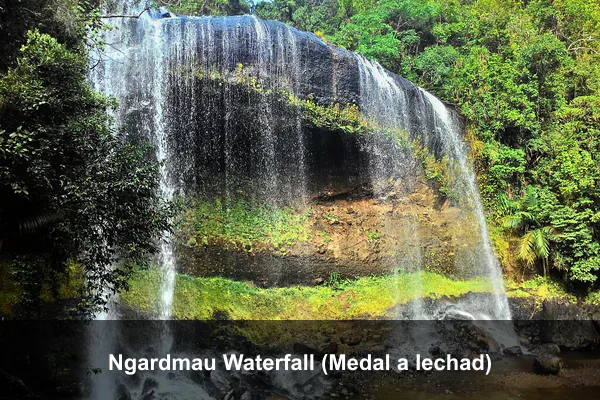
After several reef-focused excursions, Ngardmau Waterfall (Medal a Iechad) in Ngardmau State, Babeldaob gives your itinerary a cool freshwater jungle day. Best for hiking, nature photography, and a freshwater swim, this outing starts with a road transfer, then continues by trail or a monorail section to the falls. At the plunge pool, you can relax under dense forest scenery and shoot some of Palau’s best inland landscapes before heading back to the coast. Visit between November and April for drier trail conditions, and wear grippy water shoes since the rocks near the plunge pool are slick.
| Best for | Hiking, nature photography, freshwater swim |
|---|---|
| Location | Ngardmau State, Babeldaob |
| Best time | November to April for drier trail conditions |
| Access | Road transfer, then hike or monorail section |
Additional Info: Wear grippy water shoes because rocks near the plunge pool are slick.
Lake Ngardok Nature Reserve
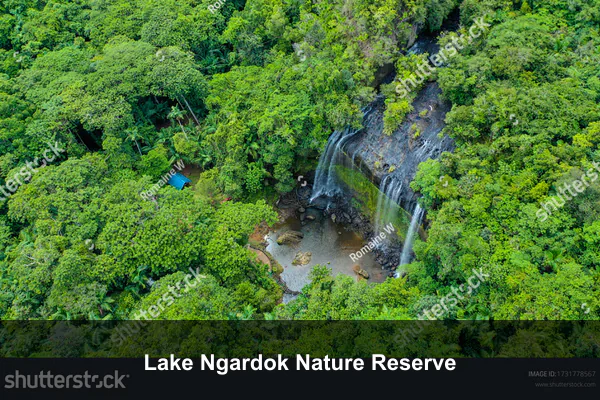
Lake Ngardok Nature Reserve, a Ramsar-listed wetland in Melekeok State on Babeldaob, is Palau’s standout freshwater destination for birdwatching, quiet wetland scenery, and peaceful nature walks. Go in the early morning year-round, when bird activity is strongest and temperatures are most comfortable for exploring the lake’s forested margins. Visitors come to experience a different side of Palau beyond reefs, with rich marsh plants and freshwater habitats that support diverse wildlife. The reserve is accessible by driving from Koror, but local coordination is advised for current access details and respectful, low-impact entry. Bring binoculars for better wildlife viewing and insect repellent for a more comfortable walk.
| Best for | Birdwatching, wetlands, quiet nature walks |
|---|---|
| Location | Melekeok State, Babeldaob |
| Best time | Early mornings year-round |
| Access | Drive from Koror; local coordination advised |
Additional Info: Bring binoculars and insect repellent for the best low-impact visit.
Peleliu Island WWII Heritage Trail
Peleliu Island, in Peleliu State south of Koror, is one of Palau’s most powerful day trips for WWII history and memorial tourism. A local 4×4 tour takes you across coral roads to battlefield caves, rusting tanks, old airstrip remains, and memorials that mark the 1944 Battle of Peleliu, turning the island into an open-air archive of the Pacific War. Go with a local guide to understand military and community context, hear survivor-linked stories, and follow respectful etiquette at sacred and commemorative sites. Travel is easiest from December to April, when drier weather makes overland touring smoother; reach the island by scheduled ferry or charter boat, then continue inland by vehicle.
| Best for | WWII history and memorial tourism |
|---|---|
| Location | Peleliu State, south of Koror |
| Best time | December to April for easier overland touring |
| Access | Ferry or charter boat, then local 4×4 tour |
Additional Info: Use a local guide to understand context and respectful site etiquette.
Belau National Museum
Start your Palau journey at Belau National Museum in Koror City to build the cultural context that makes every later island stop richer. As the country’s oldest museum, it is best for understanding Palauan heritage through archaeology finds, traditional navigation and bai architecture displays, historic photos, and exhibits on customs that still shape village life. Spend an hour or two here on your first day in Palau or save it for a rainy afternoon, then carry that insight into village and bai visits across the islands. Practical detail: it is very easy to reach by taxi or a short drive from anywhere in Koror.
| Best for | Cultural context, archaeology, heritage exhibits |
|---|---|
| Location | Koror City |
| Best time | First day in Palau or rainy afternoons |
| Access | Easy taxi or short drive within Koror |
Additional Info: Visit early in your trip so later village and bai visits feel more meaningful.
Kayangel Atoll
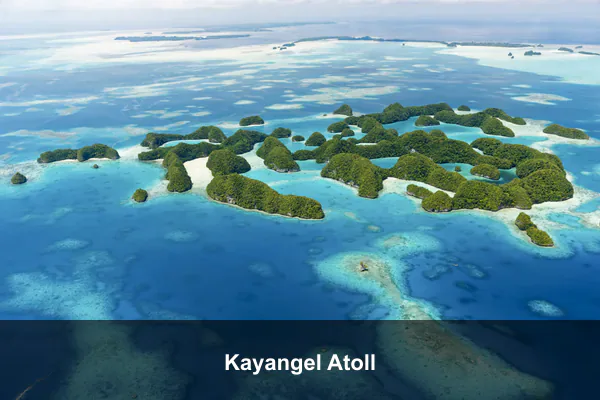
For a final taste of Palau at its most remote, head to Kayangel Atoll, the country’s northernmost state, where empty white-sand beaches and a slower island rhythm make it ideal for remote beach escapes and light snorkeling in clear shallows. Spend your day beachcombing, swimming, and drifting over gentle reef patches rather than chasing big itineraries. The best windows are March to May and October, when crossings are usually calmer. Access is by weather-dependent boat transfer from Babeldaob, so plans can shift quickly; confirm same-day return options before departure to avoid being stranded overnight if seas turn rough.
| Best for | Remote beach escapes and light snorkeling |
|---|---|
| Location | Northernmost state of Palau |
| Best time | March-May and October for calmer crossings |
| Access | Weather-dependent boat transfer from Babeldaob |
Additional Info: Confirm same-day return options before departure since transport is weather-sensitive.
Tips Before You Go
Submit the Palau Entry Form at least 72 hours before departure, then confirm permits and operator rules for Rock Islands and Jellyfish Lake. Keep one buffer day in Koror because wind and swell can cancel outer-reef trips with little notice.
Pack reef-safe sun protection, a dry bag, and cash for state fees and small local stops outside Koror. Prioritize guides who brief wildlife distance, no-touch reef practices, and local customs before each excursion to keep your trip aligned with Palau’s conservation ethos.
