
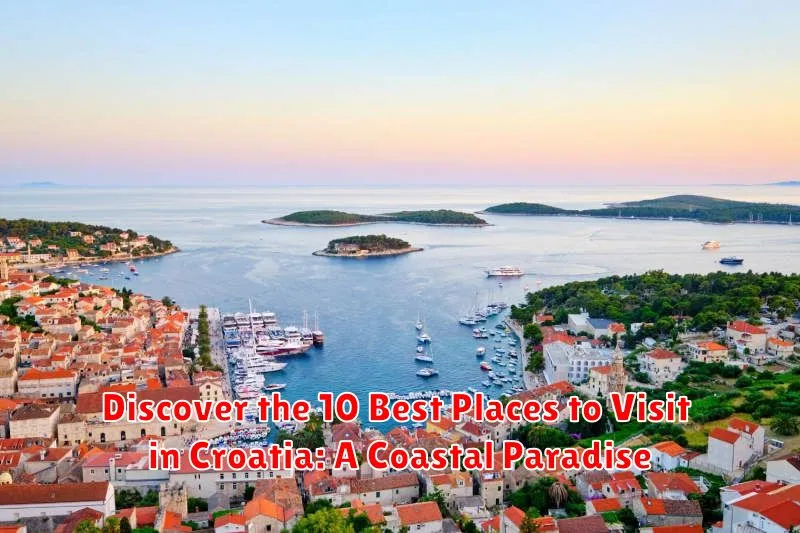
Imagine a land where sparkling azure waters meet pristine shorelines, and ancient towns whisper the tales of centuries past. Welcome to Croatia, a coastal paradise that boasts a tapestry of breathtaking landscapes and a rich cultural heritage. Whether you’re a history enthusiast, an adventure seeker, or someone simply yearning for a picturesque retreat, Croatia promises an unforgettable journey. In this article, we’ll take you on a tour of the 10 best places to visit in Croatia, each offering a unique glimpse into the splendor of this Adriatic gem.
From the vibrant streets of Dubrovnik, famously known as the “Pearl of the Adriatic,” to the enchanting natural wonders of Plitvice Lakes National Park, Croatia offers a diverse array of stunning destinations waiting to be explored. Whether you’re wandering through the ancient city walls of Dubrovnik or meandering the cobblestone streets of Split, each location is imbued with a captivating charm that draws travelers from all over the globe. Join us as we delve into the beauty and allure of these top Croatian destinations, promising you a travel experience like no other.
Dubrovnik Old Town

Dubbed the “Pearl of the Adriatic,” Dubrovnik Old Town is a spectacular destination that stands as a testament to medieval architecture and culture. Enclosed within sturdy stone walls, it offers a plethora of historic sites and engaging experiences that draw travelers from around the globe.
Walking the Ancient Walls
One of the most iconic activities within Dubrovnik Old Town is walking along the ancient city walls. Stretching over 1.2 miles, these walls offer panoramic views of the shimmering Adriatic Sea and the distinctive red rooftops of the town. It’s a breathtaking way to grasp the town’s vast history and its defensive ingenuity.
Exploring Stradun
The Stradun, Dubrovnik’s main street, is an enchanting thoroughfare lined with picturesque limestone buildings. Perfect for a leisurely stroll, it’s the ideal spot to immerse yourself in the vibrant energy of the town. Enjoy a coffee at one of the square’s charming cafes or participate in the lively cultural events often held here.
Historical Marvels
| Landmark | Description |
|---|---|
| Rector’s Palace | A stunning 15th-century palace that serves as a museum showcasing the town’s rich history. |
| Sponza Palace | An exquisite mansion that blends Gothic and Renaissance architecture, often hosting art exhibits. |
| St. Blaise Church | A Baroque church that stands as a tribute to Dubrovnik’s patron saint, reflecting the town’s deep spiritual heritage. |
With its stunning architecture, rich history, and vibrant atmosphere, Dubrovnik Old Town is not just a picturesque location—it’s a living, breathing masterpiece waiting to be explored.
Plitvice Lakes National Park

Welcome to Plitvice Lakes National Park, one of Croatia’s most stunning natural wonders. Nestled in the heart of the country, this UNESCO World Heritage site is renowned for its cascading lakes, breathtaking waterfalls, and vibrant ecosystems.
What Makes Plitvice Special?
The park spans over 295 square kilometers and features 16 interlinked lakes that tumble into one another, creating a series of ethereal, turquoise pools. These interconnected bodies of water are fed by numerous small rivers and are separated by natural travertine dams.
Flora and Fauna
Plitvice is not just about crystal-clear waters; it offers a rich variety of flora and fauna. The park is home to an array of wildlife, including deer, bears, wolves, and rare bird species. The surrounding forests provide ample opportunities for hiking and exploration.
Visitor Tips
- Plan to spend at least a full day exploring the park.
- Wear comfortable walking shoes as there are numerous trails and boardwalks.
- Check the weather beforehand, as conditions can greatly affect your visit.
Since it attracts millions of tourists annually, visit in the early morning or during off-peak seasons to experience the beauty of Plitvice in tranquility.
Seasonal Highlights
Each season offers a unique perspective; spring and summer boast lush greenery, while autumn displays a tapestry of colors, and in winter, the landscape transforms into a mesmerizing ice kingdom.
Hvar Island

Welcome to Hvar Island, one of the most charismatic destinations in Croatia! Located in the Adriatic Sea, Hvar is known for its spectacular landscapes, historic charm, and vibrant nightlife. With its sapphire-blue waters contrasting against lush green hills, Hvar offers both serene beauty and a lively atmosphere.
Historical Sites and Attractions
Exploring Hvar Town unveils a myriad of historical treasures. Visit the 13th-century Fortica Fortress, offering stunning views of the island and surrounding sea. Don’t miss the Cathedral of St. Stephen in the main square and its impressive Renaissance architecture.
Lavender Fields and Vineyards
Hvar is acclaimed for its sprawling lavender fields and rich vineyards. Visit during June and July to witness the purple blooms, or embark on a wine-tasting tour to sample locally produced wines.
Exciting Nightlife
For those looking to experience nightlife, Hvar’s vibrant beach bars and clubs will not disappoint. Head to Carpe Diem Beach for some of the best after-dark parties on the island.
Quick Facts About Hvar Island:
- Population: Approximately 11,000
- Famous for: Beaches, historical sites, and nightlife
- Best time to visit: May to October for warm weather and clear skies
Split, Diocletian’s Palace

If you are yearning for a perfect blend of history, culture, and the vibrant buzz of city life, then Split is an unmissable destination on your Croatian itinerary. At the heart of this port city lies the extraordinary Diocletian’s Palace, a stunning architectural marvel that dates back to the Roman times.
An Ancient Marvel
The palace, built for the Roman Emperor Diocletian, covers about half of the old town of Split. It is not just a singular building but an entire complex, including towers, temples, and squares, and is a thrilling peek into ancient Roman architecture and civilization. Today, locals and tourists alike roam through the narrow passageways of this living museum, making it a bustling center that perfectly blends past and present.
Vibrant Atmosphere
Inside the palace walls, you’ll find an assortment of quaint cafes, bustling bistros, and artisanal shops. It’s a perfect spot to savor some Croatian delicacies while enjoying the peaceful Mediterranean ambiance. The Peristyle, the central square of the palace, is the venue for numerous cultural events and is a favorite gathering place to soak up the sights and sounds of this enchanting city.
Must-See Highlights
- Jupiter’s Temple: Once a temple dedicated to Jupiter, now the Baptistery of St. John, it’s an essential relic of the past.
- The Cathedral of Saint Domnius: Originally built as Emperor Diocletian’s mausoleum, it is now a cathedral blending Roman and Christian elements.
- Substructures of Diocletian’s Palace: Explore the well-preserved cellars to get a glimpse of Roman engineering.
Moreover, as Split is situated on the Dalmatian coast, you can easily complement your historical exploration with some beach time on the sandy shores or enjoy a ferry ride to nearby islands.
Korcula Island

Korcula Island, often referred to as the “Emerald Isle,” is one of Croatia’s most captivating destinations. Nestled in the azure waters of the Adriatic Sea, this enchanting island is celebrated for its rich history, stunning landscapes, and vibrant culture. From the medieval architecture of its ancient towns to its breathtaking beaches, Korcula offers a serene retreat for any traveler.
History and Culture
The island is steeped in history, with its legendary ties to the great explorer Marco Polo. Visitors can explore a myriad of medieval buildings that dot the landscape, with the most celebrated being the Korcula Old Town. Enclosed by stone walls and towers, this historic town is a masterpiece of ancient engineering and design.
Stroll along narrow cobblestone streets and admire the gothic and renaissance architecture, visiting landmarks such as the Cathedral of St. Mark and the Marco Polo Museum. The town is also famous for its traditional Moreska sword dance, a cultural performance you won’t want to miss.
Natural Beauty
Beyond its historical allure, Korcula Island is a paradise for nature lovers. The lush vineyards and olive groves paint a picture of rustic beauty, while the island’s hidden coves and crystal-clear waters offer ample opportunities for swimming, snorkeling, and relaxation.
Culinary Delights
Food enthusiasts will find a haven in Korcula’s culinary scene. Indulge in local Dalmatian cuisine with its array of fresh seafood, complemented by the region’s renowned wines. Don’t forget to try the traditional dish Pasticada, a slow-cooked beef delicacy that exemplifies the island’s rich flavors.
Places to Stay
Whether you’re seeking luxury resorts or cozy guesthouses, Korcula provides accommodations that cater to every taste and budget. Many hotels offer stunning views of the Adriatic, ensuring a tranquil experience as you unwind on this exquisite island.
- Explore the charming Vela Luka for a quieter escape.
- Visit the picturesque village of Lumbarda, known for its sandy beaches and exceptional wines.
- Embark on a scenic cycling tour to discover the island’s interior beauty.
Rovinj

If you’re in search of a classic Mediterranean experience, look no further than Rovinj, a stunning coastal town located on the western coast of the Istrian Peninsula. Known for its romantic charm and vibrant history, Rovinj offers a picturesque escape that captivates every visitor.
A Walk Through History
The heart of Rovinj is its enchanting Old Town, a labyrinth of cobblestone streets and colorful houses. Start your journey at the Church of St. Euphemia, the dominating feature of the skyline. Climb to the top of its bell tower for breathtaking panoramic views of the town and the sparkling Adriatic Sea.
Cultural Melting Pot
Rovinj’s rich history is a tapestry woven with influences from Venetians, Austrians, and Croats. The town’s architecture and art reflect this unique cultural blend. Visit the Batana House Eco-Museum to delve into the town’s maritime heritage, highlighting the traditional flatboat that has been a part of Rovinj’s history for centuries.
Culinary Delights
After exploring, indulge in culinary delights that are a hallmark of the Istrian region. Rovinj is renowned for its fresh seafood and locally-produced olive oils and truffles. Enjoy a meal at a seaside konoba (tavern) while the sun sets over the horizon, offering a magical end to a delightful day.
Activities
- Cycling through the beautiful Cape of Gold
- Exploring the nearby Valentino Island
- Participating in local festivals such as the Rovinj Photodays
When to Visit
The best time to visit Rovinj is from May to September when the weather is warm, and the town is alive with festivals and events. However, even in the off-season, Rovinj’s mild climate makes it an attractive destination year-round.
Zadar

Located on the Dalmatian coast, the city of Zadar is a perfect blend of historical heritage and modern attractions. It is known for its well-preserved old town filled with Roman and Venetian ruins, which will transport you back in time. The cobblestone streets lined with charming cafes and shops offer an enchanting atmosphere that captivates every visitor.
Must-See Attractions
One of Zadar’s most unique attractions is the Sea Organ, an architectural sound art object that creates music through the movement of sea waves. Right next to it, you’ll find the Sun Salutation, a solar-powered light installation that provides a dazzling light show at sunset. Don’t miss a visit to historic sites such as the Church of St. Donatus and the Roman Forum.
Cultural Experience
Zadar offers a vibrant cultural experience that includes numerous museums and galleries, like the Zadar City Museum and the Museum of Ancient Glass. With a rich history dating back to the 9th century BC, these sites provide deep insights into the city’s past.
Local Cuisine
For food enthusiasts, Zadar is a gastronomical heaven. Savor local specialties such as Dalmatian pršut (smoked ham) and fresh seafood. Pair them with excellent Croatian wine for an unforgettable dining experience that captures the flavors of the Adriatic region.
Summary of Attractions
| Attraction | Description |
|---|---|
| Sea Organ | An award-winning architectural sound installation that creates its own music. |
| Sun Salutation | A stunning light installation that absorbs and plays back the solar energy. |
| Church of St. Donatus | An impressive circular church built in the 9th century. |
| Roman Forum | The largest forum on the Adriatic coast, built between the 1st century BC and 3rd century AD. |
Brac Island, Zlatni Rat Beach

Known for its unique shape and breathtaking beauty, Zlatni Rat Beach on Brac Island is a must-visit destination for any traveler exploring the Croatian coast. Often referred to as the Golden Horn, this beach is a stunning creation of fine pebbles that extends into the turquoise waters of the Adriatic, forming a striking, horn-like shape.
Located near the charming town of Bol, the beach shifts its shape and position with the tide and wind, creating a dynamic natural masterpiece. This unique feature allows visitors to enjoy different perspectives of the beach, depending on when they visit.
Activities and Attractions
At Zlatni Rat Beach, there’s no shortage of activities to engage in. Whether you’re into swimming, sunbathing, or indulging in water sports, this beach has something for everyone. The winds around the beach create ideal conditions for windsurfing and kitesurfing enthusiasts.
For those seeking a more relaxed experience, take a stroll along the promenade lined with pine trees that provide shade and fresh air. You can also explore quaint cafes and restaurants in Bol, where you can enjoy delicious Croatian cuisine with a stunning seaside view.
Best Time to Visit
The best time to visit Zlatni Rat Beach is from May to September when the weather is warm and the sea is perfect for swimming. During these months, the beach becomes a lively hub where tourists and locals alike gather to enjoy the sun and the sea breeze.
| Month | Average Temperature (°C) | Water Temperature (°C) |
|---|---|---|
| May | 18-23 | 18 |
| June | 23-28 | 22 |
| July | 25-30 | 24 |
| August | 25-30 | 25 |
| September | 21-26 | 23 |
Krka National Park

Nestled in the picturesque region of Dalmatia, Krka National Park is a mesmerizing destination renowned for its cascading waterfalls and lush landscapes. As you explore the park, you’ll be captivated by the emerald-green waters of the Krka River, which gracefully winds through the magnificent karst terrain.
One of the main highlights of Krka National Park is the Skradinski Buk waterfall, a captivating series of waterfalls that create a natural amphitheater of beauty. This impressive spectacle is the perfect setting for a refreshing dip in the clear, cool waters, making it a popular spot for tourists and nature enthusiasts alike.
Unique Features of Krka National Park
- Visovac Island: A small, idyllic island situated in the Krka River, home to a historic monastery that dates back to the 15th century. The island’s serene setting offers a peaceful retreat for visitors.
- Roski Slap: This stunning waterfall features a series of picturesque streams and rapids, offering a tranquil environment for pleasant walks and picnics.
- Educational Paths: Experience the park’s rich biodiversity through well-maintained paths that guide you through a diverse array of flora and fauna.
Accessibility is also a key aspect of Krka National Park, with well-marked trails and facilities designed to welcome visitors year-round. Whether you’re seeking adventure or relaxation, the park offers a blend of both, making it a must-visit destination on your Croatian journey.
If you’re planning to visit Croatia, embracing the natural wonders of Krka National Park should undoubtedly be on your itinerary. With its captivating scenery and soothing ambiance, it’s a place where nature’s true splendor is unveiled in all its glory.
Zagreb

As the thriving capital of Croatia, Zagreb offers a perfect blend of cultural and modern attractions that appeal to tourists seeking a diverse urban experience. This vibrant city welcomes you with an assortment of sights that promise to leave a lasting impression.
Enrique the Artistic Soul
Zagreb is known for its artistic and intellectual scene, with various museums, galleries, and theatres that keep the city’s cultural heartbeat alive. One of the essential stops is the Museum of Contemporary Art, showcasing the brilliance of Croatian and international artists.
A Journey Through Time at Upper Town
The charming Upper Town (Gornji Grad) is a must-visit with its cobblestone streets and historical architectures. Wander around the St. Mark’s Church, known for its uniquely colored tile roof, and the Lotrščak Tower, where you can hear the iconic noon cannon fire.
Eat Like a Local
Experiencing Zagreb would not be complete without indulging in its culinary scene. The Dolac Market is the best venue to sample local flavors, offering fresh produce, regional cheeses, and mouth-watering baked goods. Do not miss the chance to savor traditional dishes such as štrukli and purica s mlincima.
Quick Tips for Visitors
- Explore both by foot and using the efficient tram system to cover more ground.
- Visit during the Zagreb Advent season for a magical Christmas atmosphere.
- Check out the local coffee culture at one of the many delightful cafés.
