
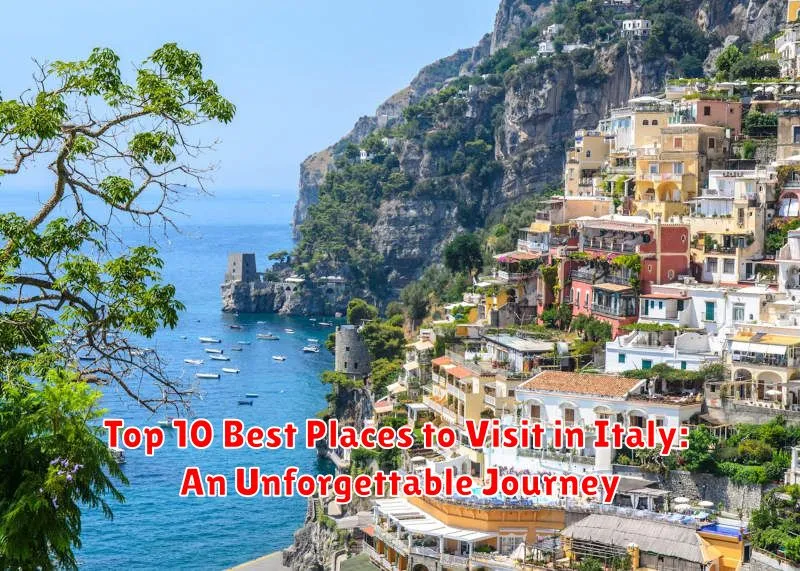
Italy, with its rich history, stunning landscapes, and exquisite cuisine, stands out as one of the top travel destinations in the world. From the romantic canals of Venice to the historic charm of Rome, Italy offers an array of experiences that cater to every traveler’s dream. This journey will take you through the Top 10 Best Places to Visit in Italy, ensuring an unforgettable adventure filled with culture, art, and breathtaking beauty.
Join us as we explore Italy’s unrivaled destinations, where each location boasts its unique allure, from the picturesque landscapes of Tuscany to the vibrant, bustling streets of Naples. Discover the splendor that this enchanting country has to offer, where every corner tells a story and every city is a masterpiece. Whether you’re a history enthusiast, a food lover, or an art aficionado, Italy promises an adventure that will leave you with cherished memories.
Colosseum, Rome

The Colosseum in Rome is a monumental symbol of the ancient world, and one of the most celebrated landmarks in Italy. This ancient amphitheater once hosted gladiator games and public spectacles, drawing crowds eager to witness the might of the Roman Empire.
A Glimpse into the Past
Built between 70-80 AD under the rule of Emperor Vespasian and completed by his successor Titus, the Colosseum is an architectural marvel that reflects the grandeur of Roman engineering. Originally known as the Flavian Amphitheatre, it held up to 80,000 spectators, making it the largest amphitheater of its time.
Architectural Details
With its massive structure still standing despite centuries of earthquakes and stone pilfering, the Colosseum remains a testament to the enduring nature of Roman construction. It features a combination of concrete and stones, with an elaborate system of arches and vaults that contribute both to its strength and aesthetic appeal.
Key Features
- Outer Wall: Crafted from travertine, an essential part of its majestic facade.
- Hypogeum: The intricate underground area used to house animals and gladiators before contests.
- Velarium: A retractable awning that once shaded spectators from the sun.
Visiting Today
Today, the Colosseum is not only a major tourist attraction but also a UNESCO World Heritage Site. Visitors can stroll through its massive arches and imagine the echoes of the past whispers of glory and bloodshed that once surrounded this historical arena.
Venice Canals

When it comes to the iconic beauty of Italy, there are few places as enchanting as the Venice Canals. This network of over 150 canals creates a breathtaking tapestry that weaves through the heart of Venice, a city built on water. Whether you’re gliding down the Grand Canal on a romantic gondola ride or exploring the lesser-seen waterways on a vaporetto, the experience is truly magical.
The Grand Canal: Venice’s Main Artery
The Grand Canal is the most famous and bustling of all the canals, acting as the main thoroughfare through the city. Lined with majestic Renaissance and Gothic palaces, this S-shaped waterway offers a glimpse into the city’s rich cultural history. It’s a must-see for any visitor.
Cultural Significance
The Venice Canals have been a lifeline to the city for centuries, not only in commerce but also in cultural exchange. Many of the buildings along these canals are historic treasures, including St. Mark’s Basilica and the Doge’s Palace, offering visitors a chance to walk alongside the echo of history.
Things to Do:
- Gondola Tour – Experience the romance of Venice from a gondola.
- Vaporetto Ride – Get a local’s perspective by taking a public water bus.
- Visit the Rialto Market – Enjoy fresh produce and seafood as Venetians do.
- Savor Venetian Cuisine – Dine along the canals at a trattoria.
The canals are the beating heart of Venice, providing not just transportation but also a scenic backdrop that enhances your exploration of this unforgettable city. Don’t miss the chance to immerse yourself in both the physical beauty and the mystique of the canals during your visit.
Florence Cathedral

Florence Cathedral, also known as Cattedrale di Santa Maria del Fiore, is a mesmerizing masterpiece that stands as a testament to the brilliance of Renaissance architecture. Nestled in the heart of Florence, this iconic cathedral is not just a place of worship but a symbol of the city itself.
The Architectural Marvel
The cathedral is renowned for its magnificent dome, designed by the ingenious architect Filippo Brunelleschi. Built between 1296 and 1436, the dome remains one of the largest in the world and is an engineering wonder of its time. The exterior is adorned with intricate patterns of pink, green, and white marble, making it a visual delight for all who behold it.
Inside the Cathedral
Step inside to be awestruck by the vast interior that can hold up to 30,000 people. The interior features beautiful frescoes, including Giorgio Vasari’s “Last Judgment”, which covers the interior of the dome.
Giotto’s Campanile
Adjacent to the cathedral is Giotto’s Campanile, a stunning bell tower offering panoramic views of Florence from its top. Climbing the 414 steps to the summit is a rewarding experience that provides a unique perspective of the city’s skyline.
Visitor Information
- Opening Hours: Open from 10:00 AM to 5:00 PM, with different opening times for the dome and the bell tower.
- Entry Fees: While entry to the cathedral is free, there is a fee to climb the dome and visit the bell tower.
- Accessibility: The cathedral is accessible to visitors with reduced mobility, with certain limitations for the dome and the tower.
Visiting the Florence Cathedral is an essential experience for anyone exploring Italy, offering not only a breathtaking architectural encounter but also a deep dive into the rich history and culture that defines the region.
Leaning Tower of Pisa

One of the most iconic landmarks in the world, the Leaning Tower of Pisa attracts visitors from across the globe. This marvel of medieval architecture is famous not merely for its beauty, but for its unintentional tilt, making it a must-see when exploring Italy.
History and Architecture
Construction of the tower began in 1173 and continued for nearly 200 years. The architectural style is Romanesque, characterized by its circular shape and white marble façade. Originally designed as the free-standing bell tower of the nearby cathedral, the tower’s tilt became noticeable during its construction, around the time the second floor was completed.
Interesting Facts
- The tower stands at nearly 56 meters high.
- It leans at about a 4-degree angle, which has been corrected from an original tilt of 5.5 degrees, thanks to restoration efforts.
- Efforts to correct the tilt began in the late 20th century, finally stabilizing the structure.
Visiting the Tower
Today, visitors can climb the 294 steps to the top of the tower to enjoy spectacular views of Pisa and its surroundings. It’s recommended to book tickets in advance, as this popular attraction draws thousands of tourists daily.
| Feature | Details |
|---|---|
| Height | 56 meters |
| Number of Steps | 294 |
| Tilt Angle | 4 degrees |
Whether you appreciate its historical significance or simply wish to capture the perfect photo, the Leaning Tower of Pisa continues to be a testament to Italy’s rich cultural heritage and engineering marvels.
Amalfi Coast

The Amalfi Coast is a stunning stretch of coastline in the Campania region of Italy, known for its spectacular views, enchanting villages, and rich history.
Why Visit the Amalfi Coast?
This charming area is celebrated for its unique blend of natural beauty and cultural significance. The dramatic cliffs and shimmering blue waters create a mesmerizing landscape that has captivated visitors for centuries. The region is dotted with small, picturesque towns like Positano, Amalfi, and Ravello, each offering its own historical sites, quaint streets, and inviting beaches.
Things to Do
- Explore Positano: Known for its colorful buildings stacked on steep slopes, Positano is a must-visit. Wander through its charming streets, enjoy the local cuisine, and relax by the beach.
- Visit Amalfi: Discover the history of the Amalfi Coast in the town of Amalfi. Don’t miss the Amalfi Cathedral, a masterpiece of medieval architecture.
- Enjoy Ravello’s Gardens: Head to Ravello to visit the famed Villa Rufolo and Villa Cimbrone gardens, which offer breathtaking views of the coast.
Travel Tips
For those planning a visit, it’s worth noting that the Amalfi Coast can be quite busy during the peak summer months. Consider visiting in the spring or autumn for a more peaceful experience. Public transportation or rented scooters are great ways to navigate the narrow coastal roads.
Whether you’re seeking relaxation, romance, or adventure, the Amalfi Coast offers an unforgettable experience that embodies the very essence of Italian beauty and charm.
Lake Como

Nestled in the foothills of the majestic Alps, Lake Como is a sparkling gem in the Italian landscape. Known for its dramatic scenery and quaint villages, it’s a place where nature and culture blend seamlessly.
Charming Towns to Explore
One of the highlights of visiting Lake Como is exploring the delightful towns that dot its shores. Bellagio, often referred to as the “Pearl of the Lake,” offers cobblestone streets, elegant buildings, and stunning views of the surrounding mountains.
Other must-visit towns include Varenna and Menaggio, both offering unique experiences and rich histories.
Activities and Attractions
Whether you are interested in history, architecture, or simply enjoying the great outdoors, Lake Como has something for everyone. Villa Carlotta, with its exquisite gardens, and Villa del Balbianello, famous for its appearance in movies, are just a couple of lakeside mansions to explore.
- Hiking – The surrounding hills offer numerous trails for both novice and experienced hikers.
- Water Sports – From kayaking to sailing, Lake Como is ideal for water enthusiasts.
- Culinary Delights – Enjoy local dishes like risotto and fresh fish from the lake.
Travel Tips
For the best experience, consider visiting in the spring or fall, when the weather is pleasant, and the crowds are fewer. Renting a boat can also provide unparalleled views of the landscape.
Cinque Terre

Cinque Terre is a breathtaking coastal area located in the northwest of Italy, known for its picturesque scenery and charming villages. This UNESCO World Heritage site comprises five beautiful coastal towns—Monterosso al Mare, Vernazza, Corniglia, Manarola, and Riomaggiore—each offering its own unique charm and stunning views of the Ligurian Sea.
Colorful Villages and Scenic Hiking
The villages of Cinque Terre are famed for their vibrantly colored buildings that stand against the backdrop of rugged cliffs and the deep blue sea. These quaint towns are connected by walking paths offering some of the best hiking opportunities in Italy, allowing visitors to explore the region on foot while enjoying breathtaking vistas. The Sentiero Azzurro, or Blue Trail, is the most popular route, providing a scenic journey through vineyards, olive groves, and fragrant lemon trees.
Culinary Delights
Visitors to Cinque Terre can indulge in the region’s delicious cuisine, which heavily features seafood and fresh produce. Local specialties include pesto alla Genovese, which originates from the nearby city of Genoa, and delectable seafood dishes. Dining at a clifftop restaurant with a panoramic view of the sunset is an unforgettable experience that highlights the region’s culinary excellence.
Best Times to Visit
While Cinque Terre is enchanting year-round, the best times to visit are during the spring (April to June) and fall (September to October). During these months, the weather is comfortably mild, and the trails are less crowded compared to the peak summer season.
- Monterosso al Mare: Known for its beautiful beaches and lively atmosphere.
- Vernazza: Offers stunning views and a quaint harbor.
- Corniglia: The most secluded village, perfect for those seeking tranquility.
- Manarola: Famous for its photo-worthy scenes and wine-making tradition.
- Riomaggiore: Features a dramatic seaside location and vibrant community.
Pompeii

Pompeii is not just one of Italy’s must-see historical sites, but a mesmerizing window into ancient Roman life. This ancient city, frozen in time by the catastrophic eruption of Mount Vesuvius in 79 AD, offers a unique and gripping glimpse into the daily lives of its inhabitants.
The Historic Ruins
Visitors can wander through the ruins, exploring remarkably preserved structures such as the Forum, the Thermopolium (a Roman snack bar), and even the chilling casts of victims whose final moments were captured in Volcanic ash. Each step unveils the meticulously detailed frescoes and mosaics that adorned the walls of wealthy dwellings, demonstrating the artistic prowess of a civilization long gone.
Archaeological Insights
Archaeological finds continue to emerge, offering new insights into Roman society. Excavations reveal incredible details about urban development, social stratification, and even culinary habits, with artifacts found in ancient kitchens. These continued discoveries make each visit to Pompeii potentially different from the last.
Visitor Experience
To enhance the experience, tourists can take advantage of guided tours, which not only bring the deserted city back to life through storytelling but also provide educational insights. A visitor center and various exhibits ensure that guests leave with a deeper understanding of this timeless testament to human resilience.
| Must-See Sites | Description |
|---|---|
| The Amphitheater | The earliest known permanent stone amphitheater in Italy. |
| Villa of the Mysteries | Known for its well-preserved frescoes depicting Dionysian rituals. |
| House of the Faun | One of the largest and most impressive homes, with exquisite mosaics. |
Whether you’re a history enthusiast or simply intrigued by the past, Pompeii offers an unforgettable journey into the heart of ancient civilization, making it an essential stop on any Italian itinerary.
Sistine Chapel, Vatican City

The Sistine Chapel stands as an iconic masterpiece located in the heart of the Vatican City, renowned for its breathtaking frescoes and profound historical significance. As a pivotal location within the Apostolic Palace—the official residence of the Pope—this chapel attracts millions of visitors who seek to marvel at its divine artistry.
Historical Significance
Constructed between 1473 and 1481 by Pope Sixtus IV, the chapel’s primary function was to serve as a private chapel for papal activities, including the election of new Popes. Its walls have witnessed centuries of religious ceremonies and political gatherings that have shaped the course of history.
Artistic Marvel
The highlight of the Sistine Chapel is undoubtedly its ceiling, painted by the illustrious Renaissance artist Michelangelo Buonarroti between 1508 and 1512. The ceiling’s frescoes, depicting nine scenes from the Book of Genesis, including the famous “Creation of Adam,” are considered one of the greatest artistic achievements of all time.
Aside from the ceiling, visitors can also appreciate “The Last Judgment” fresco on the altar wall, showcasing Michelangelo’s genius once more. Completed in 1541, this piece depicts the Second Coming of Christ and the final judgment of souls, capturing the viewer’s gaze with its dramatic intensity and detail.
Visitor Information
- Location: Vatican City
- Open Hours: Monday to Saturday, typically from morning till afternoon, with varying hours.
- Entry Requirements: Dress modestly, covering shoulders and knees.
While visiting the Sistine Chapel, it is crucial for visitors to maintain a respectful silence and refrain from photography, preserving the sanctity and tranquility of this sacred space. Experience the humbling awe of standing beneath arguably the world’s most famous ceiling and immerse yourself in the chapel’s serene atmosphere.
Italian Dolomites

Nestled in the northeastern part of Italy, the Italian Dolomites are a breathtaking mountain range, renowned for their dramatic peaks and rugged landscapes. Offering a unique blend of natural beauty and outdoor adventure, this area is a paradise for nature enthusiasts and those seeking an escape from the hustle and bustle of city life.
Nature’s Masterpiece
The Dolomites are not just mountains; they’re a majestic canvas painted by nature. With their towering cliffs, serene meadows, and pristine lakes, the Dolomites have been recognized as a UNESCO World Heritage Site since 2009. The unique geological formations, combined with their ever-changing hues throughout the day, leave visitors in awe.
Outdoor Activities
Whether you are an avid hiker, a passionate skier, or simply someone who loves to take in stunning sights, the Dolomites offer a diverse range of activities. During winter, the region transforms into a winter sports haven, boasting some of the best skiing areas in Europe. In warmer months, the landscape becomes a fantastic spot for hiking and climbing.
Popular Hikes in the Dolomites
- Tre Cime di Lavaredo: Experience one of the most iconic treks which offers breathtaking views of the famous three peaks.
- Seceda Ridgeline: Enjoy panoramic vistas that stretch endlessly.
- Lake Sorapis: A challenging hike with a rewarding azure lake at the summit.
Cultural Heritage
The Dolomites are not just about nature and adventure; they are also steeped in rich culture. The area is home to charming villages where local traditions and hospitality thrive. Visitors can explore the quaint towns, taste delectable local cuisine, and experience a slower pace of life.
A Taste of Alpine Cuisine
Don’t miss trying the local specialties such as canederli (dumplings) and speck (smoked ham), which reflect the unique blend of Italian and Austrian culinary influences.
